Scholar
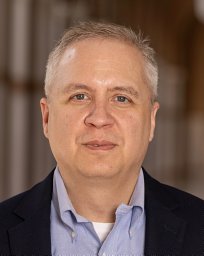
Frederick L. Oswald
Google Scholar ID: jWlqGZcAAAAJ
Rice University
Citations & Impact
Citations
13,062
H-index
51
i10-index
117
Publications
20
Co-authors
0
Publications
Resume
Academic Achievements
- - Publications across various fields: Bayesian analyses, dominance analysis (linear regression), open science, personality, knowledge and expertise, multitasking, AI and machine learning, meta-analysis, measure development, and other methods papers.
- - Involvement in National Academies Reports.
Research Experience
- - The research team focuses on defining and measuring individual and team performance in employment, military, and academic settings.
- - Examines key correlates of performance such as promotion, certification, attrition, and satisfaction.
- - Investigates individual differences that contribute to performance, including knowledge, skill, and motivation.
- - Studies school-to-work transitions, with a focus on subgroups like STEM, gender, racial/ethnic minority, and first-generation college students.
- - Looks into the legal implications and applications of personnel selection practices.
- - Develops and improves selection and admissions tests, metrics, and systems.
- - Statistically models the psychometric reliability, validity, and structure of psychological tests.
- - Utilizes, critiques, and extends statistical methods used in organizational research, including big data and machine learning, meta-analysis, CFA/SEM, IRT, multilevel models, Bayesian analysis, adverse impact analysis, and other methods.
Background
- Research interests include employee performance and academic success, workforce readiness and personnel selection, developing psychological tests, and big data and modern analytics for organizations and colleges.
Miscellany
- Teaches statistical methodologies in graduate seminars, short courses, and workshops; advises graduate students, academic and practitioner colleagues, and various stakeholders on their statistical analyses, particularly those relevant to organizational research and practice.